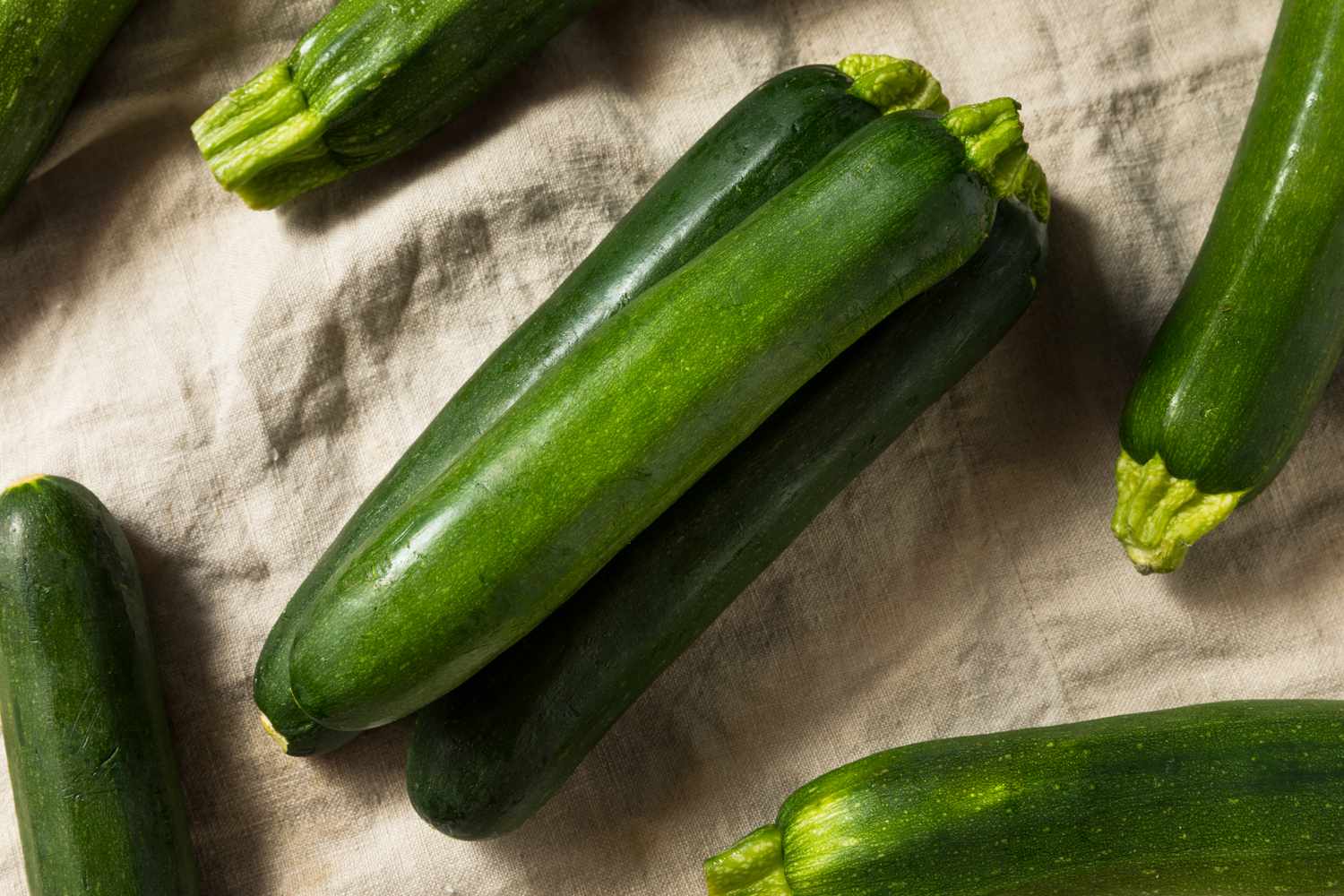
Stock Up on Summer Zucchini: Freeze It for Soups, Sauces & Bakes
As the summer sun shines bright and gardens flourish, one vegetable often takes center stage: zucchini. Its prolific growth can lead to an abundance, leaving home cooks wonderfully overwhelmed. While fresh zucchini is a delight for salads and simple sautés, what do you do when you’ve picked more than you can possibly eat in a week? The answer lies in the freezer! Learning
how to freeze zucchini effectively is a game-changer, transforming that summer surplus into a valuable resource for flavorful meals throughout the colder months.
Forget complex preserving methods; freezing is hands down one of the simplest and most efficient ways to capture zucchini’s essence. It allows you to enjoy the taste of summer in hearty soups, savory sauces, and comforting baked goods long after the season ends. While frozen zucchini won't retain the crisp texture needed for fresh applications, its softened state is perfect for dishes where it will be cooked down, blended, or incorporated into batters. Get ready to banish food waste and embrace year-round zucchini goodness with our comprehensive guide.
Why Freezing Zucchini is a Summer Game-Changer
The sheer volume of zucchini that a single plant can produce is astounding, often leaving gardeners with more squash than they know what to do with. Rather than letting this versatile vegetable go to waste, freezing offers a practical, time-saving solution that extends its usability for months. Unlike more labor-intensive methods like canning or pickling, freezing zucchini is remarkably straightforward, requiring minimal equipment and effort.
This simple act of preservation means you can enjoy the sweet, mild flavor of summer zucchini in the depths of winter, adding a touch of sunshine to your meals. It’s an excellent way to reduce food waste, save money on groceries during off-peak seasons, and ensure you always have a healthy, versatile ingredient on hand. From thickening a stew to adding moisture to a loaf of zucchini bread, frozen zucchini proves its worth in a multitude of culinary applications, making it an indispensable skill for any home cook.
The Science Behind Successful Zucchini Freezing: Why Blanching Matters
One of the most common complaints about frozen vegetables, especially zucchini, is their tendency to turn mushy once thawed. This often leads people to believe that zucchini can't be successfully frozen. However, the secret to maintaining a decent texture and vibrant flavor lies in a crucial preliminary step: blanching. While many zucchini recipes skip blanching, it's absolutely vital for successful freezing.
So, why is blanching so important? It's all about enzyme activity. Raw vegetables contain enzymes that continue to ripen and degrade their texture, color, and flavor, even in the cold environment of a freezer. Blanching – a quick dip in boiling water followed by an immediate plunge into ice water – effectively deactivates these enzymes. This process stops the deterioration, helping the zucchini retain its quality, color, and a more pleasant texture when thawed.
Beyond enzyme deactivation, blanching also contributes to food safety. As food scientist Donald Schaffner, Ph.D., notes, while freezing slows bacterial growth, it's not the most reliable method for eliminating it entirely. Heat, like that provided by blanching, is far more effective at killing harmful bacteria. While cooking the zucchini later will further reduce bacteria, blanching provides an initial significant reduction, making your frozen zucchini safer for long-term storage. This brief thermal shock is what separates perfectly acceptable frozen zucchini from a watery, unappetizing mess. If you want to delve deeper into this critical step, explore our article on
Avoid Mushy Zucchini: The Blanching Secret to Successful Freezing.
Step-by-Step Guide: How to Freeze Zucchini Like a Pro
Mastering
how to freeze zucchini is a simple process once you understand the key steps. Follow this guide for perfectly preserved zucchini, ready for your favorite winter recipes.
1. Preparation is Key: Wash & Trim
Begin by selecting firm, blemish-free zucchini. Run the whole, uncut squash under cold running water to thoroughly rinse away any dirt, sand, or garden debris. Remove any stickers you find. Once clean, use a sharp knife to trim off both ends of the zucchini.
2. Choose Your Cut: Cubed, Sliced, or Shredded
The way you cut your zucchini depends on how you plan to use it later.
- For Soups, Stews, & Casseroles: Cut the zucchini into bite-sized pieces, typically between ½ and 1 inch cubes, or slice them into rounds or half-moons. This size is ideal for dishes where you want discrete pieces of zucchini.
- For Baking (Breads, Muffins, Cakes): Use the largest holes of a box grater to shred the zucchini. Shredded zucchini is also excellent for fritters or adding to meatloaf. For shredded zucchini, you will skip the blanching step; instead, simply pat the shreds very dry with paper towels to remove excess moisture.
3. The Crucial Blanching & Shocking Process (for cut zucchini)
This step is essential for cut zucchini to maintain its texture and quality in the freezer.
- Boil Water: Bring a large pot of salted water to a rolling boil. The salt helps season the zucchini and slightly raises the boiling point.
- Blanch: Add the cut zucchini to the boiling water. Blanch for only 1 to 2 minutes, or until the pieces are crisp-tender. Over-blanching will lead to mushy zucchini.
- Drain & Shock: Quickly drain the zucchini using a spider strainer or by pouring it through a colander. Immediately transfer the hot zucchini into a large bowl filled with ice water (this is called an ice bath or shocking). Let them sit for a few minutes until they are completely cool to the touch. This step rapidly stops the cooking process.
- Dry Thoroughly: Once cool, drain the zucchini from the ice water and spread it out on several layers of clean kitchen towels or paper towels. Pat them *very* dry. Removing as much surface moisture as possible is critical to prevent ice crystals from forming, which can further degrade texture.
4. Flash Freezing for Best Results
Flash freezing prevents the zucchini pieces from clumping together, making it easier to portion out exactly what you need later.
- Arrange on Baking Sheet: With clean hands, arrange the thoroughly dried zucchini pieces (cubed, sliced, or shredded) in a single layer on a parchment-lined baking sheet. Ensure the pieces aren't touching too much.
- Freeze Solid: Place the baking sheet in the freezer and freeze until the zucchini is completely solid, which usually takes at least 2 hours.
5. Packaging for Long-Term Storage
Proper packaging is vital for extending the freezer life of your zucchini and preventing freezer burn.
- Transfer to Freezer Bags: Once flash-frozen, transfer the solid zucchini pieces to freezer-safe quart or gallon-sized bags. For efficiency, consider packing about 2 pounds of zucchini per quart-sized bag.
- Remove Air: Press out as much air as possible from the bags before sealing. A vacuum sealer is ideal for this, but you can also use a straw to suck out the air just before fully sealing the bag.
- Seal & Label: Seal the bags well, wiping away any excess moisture from the seal area. Don't forget to label each bag with the date and contents (e.g., "Zucchini, Cubed, July 2024").
- Store: Place the sealed bags flat in your freezer. Properly frozen zucchini can maintain its quality for 6 to 9 months.
For more insights on optimal storage and maximizing the life of your frozen produce, check out our guide on
How To Freeze Zucchini So It Tastes Great All Year Long.
Using Your Frozen Zucchini: Culinary Applications
Now that you've mastered
how to freeze zucchini, it's time to put your summer bounty to good use. Remember, the texture of thawed frozen zucchini will be softer than fresh, making it ideal for dishes where its firmness isn't paramount.
Here are some fantastic ways to incorporate your frozen zucchini:
- Soups and Stews: Simply add frozen zucchini directly to simmering soups, chilis, or stews. There's no need to thaw it first; it will cook down beautifully and absorb the flavors of your dish.
- Sauces: Puree thawed and squeezed zucchini into pasta sauces, marinara, or even creamy vegetable sauces for an added nutritional boost and subtle flavor.
- Baked Goods: Thawed and thoroughly squeezed shredded zucchini is perfect for zucchini bread, muffins, cakes, and even savory scones. Squeezing out excess water is crucial here to prevent your baked goods from becoming soggy.
- Casseroles and Gratins: Incorporate thawed (and optionally squeezed) zucchini into layered casseroles or baked gratins.
- Frittatas and Omelets: Add thawed and squeezed shredded or small diced zucchini to your morning eggs for a healthy and flavorful start to the day.
- Smoothies: Toss a handful of frozen zucchini cubes directly into your blender with other fruits and liquids for a nutritious smoothie that gets extra creaminess without added ice.
Avoid using frozen zucchini for dishes where a crisp texture is expected, such as stir-fries (unless you're aiming for a very soft vegetable component), grilled slices, or raw salads. For these applications, fresh zucchini is always the best choice. When using frozen zucchini in recipes that don't involve a lot of liquid, such as baking, always thaw it first and squeeze out as much excess moisture as possible to prevent a watery result.
Embrace Year-Round Zucchini Goodness
From garden glut to freezer gold, learning
how to freeze zucchini is a simple yet incredibly rewarding skill. By taking just a little time during the peak summer season to wash, cut, blanch, and properly package your zucchini, you're not just preserving a vegetable – you're preserving the taste of summer itself. Imagine the satisfaction of pulling out a bag of perfectly preserved zucchini on a cold winter's day, ready to transform it into a comforting soup, a moist loaf of bread, or a vibrant pasta sauce. This method ensures that none of your precious harvest goes to waste, allowing you to enjoy the versatility and health benefits of zucchini long after the last summer squash has been picked. So, stock up, freeze it right, and savor the sunshine in every bite, all year long!