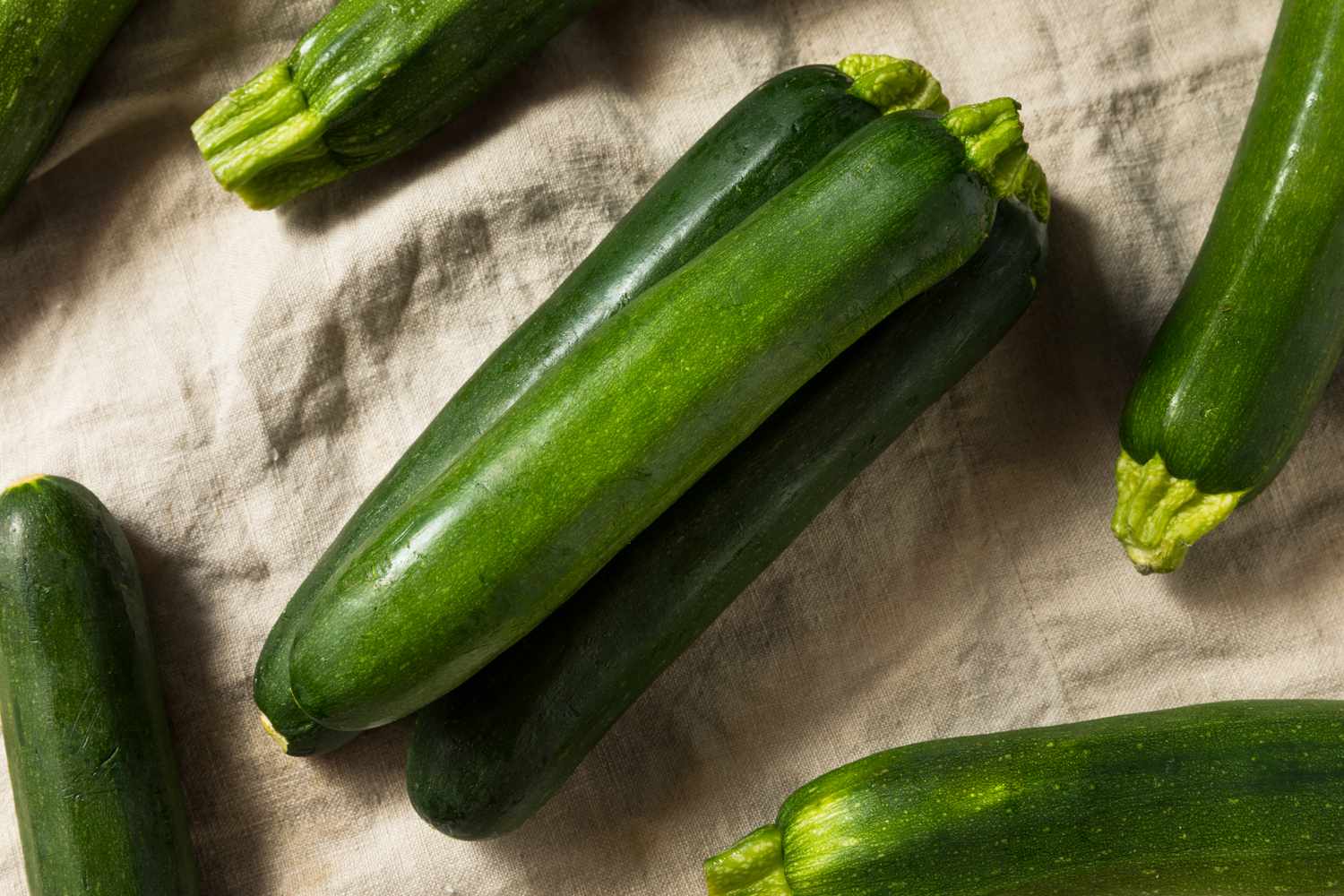
How To Freeze Zucchini So It Tastes Great All Year Long
Summer's bounty is a joy, offering an abundance of fresh, vibrant produce. Among these seasonal stars, zucchini often takes center stage, growing with such enthusiasm that many home gardeners and market-goers find themselves with a generous surplus. While its versatility shines in fresh dishes – from grilled sides to delicate salads – the good news is that you absolutely can preserve this green gem for colder months. Learning
how to freeze zucchini effectively means you can enjoy its mild, earthy flavor and nutritional benefits long after summer fades, ensuring your pantry is always stocked with this fantastic vegetable for soups, sauces, and baked goods.
The challenge with freezing zucchini lies in its high water content, which can lead to a mushy, unappetizing texture upon thawing if not handled correctly. However, with the right method, you can bypass this common pitfall and ensure your frozen zucchini retains enough integrity to be a delicious addition to countless recipes. Forget the bland, watery disappointments of the past; we're here to guide you through a simple, yet crucial, process that guarantees great-tasting zucchini whenever you need it.
Why Freezing Zucchini is Your Summer Superpower
Imagine being able to whip up a comforting zucchini bread in the dead of winter, or thickening a rich pasta sauce with homegrown zucchini, all without relying on expensive, out-of-season produce. That's the power of effective freezing. It's not just about convenience; it's about flavor, nutrition, and making the most of nature's generous offerings.
Unlike other preservation methods such as pickling or canning, freezing is remarkably fast and straightforward. It locks in the freshness and essential nutrients with minimal effort, making it our preferred technique for preserving zucchini. While fresh zucchini excels in dishes where its crisp texture is paramount – think thinly shaved ribbons for a salad or a quick sauté – its frozen counterpart is perfectly suited for cooked applications. It shines in:
* Hearty soups and stews
* Robust pasta sauces
* Comforting casseroles
* Moist baked goods like muffins and bread
* Smoothies for an added nutrient boost
By mastering
how to freeze zucchini, you're not just storing food; you're preserving summer memories and ensuring a supply of wholesome ingredients for delicious meals throughout the year. For even more ways to enjoy your frozen harvest, learn how to
Stock Up on Summer Zucchini: Freeze It for Soups, Sauces & Bakes.
The Golden Rule: Why Blanching is Non-Negotiable (Mostly)
When it comes to successfully freezing most vegetables, blanching is a vital step, and zucchini is no exception. This quick dip in boiling water followed by an ice bath plays a crucial role in preserving the vegetable's texture, color, and flavor. As Donald Schaffner, Ph.D., a food science professional at Rutgers University, emphasizes, blanching helps to deactivate enzymes that cause spoilage and degradation of texture. These enzymes, naturally present in fresh vegetables, continue to operate even at freezing temperatures, slowly deteriorating the quality of your zucchini.
While freezing can kill *some* bacteria, it's not the most reliable method for ensuring food safety. Blanching, by introducing a brief period of heat, significantly reduces the microbial load. Dr. Schaffner notes that "Cooking zucchini can eliminate more than 99.999 percent of bacteria," highlighting the additional safety benefits of this quick heat treatment. For a deeper dive into this essential technique, be sure to read
Avoid Mushy Zucchini: The Blanching Secret to Successful Freezing.
However, there's a key exception: if you plan to freeze grated zucchini primarily for baked goods where its texture will be completely integrated and cooked down, you can often skip the blanching step. In these cases, the primary concern shifts to moisture removal.
Preparing Your Zucchini for the Deep Freeze
Before you even think about freezing, careful preparation is key to ensuring your zucchini is in prime condition for long-term storage.
Choosing the Best Zucchini
Opt for firm, medium-sized zucchini (ideally 6-8 inches long) that are blemish-free. Larger zucchini tend to be more watery and can have tough skins and larger seeds, which might impact the final texture of your frozen product.
Cleaning Your Harvest
1.
Wash Thoroughly: Run whole, uncut zucchini under cold running water. Gently scrub away any dirt, sand, or debris. Remove any stickers.
2.
Trim Ends: Use a sharp knife to trim off both ends of the zucchini.
Deciding on Form: Cubes, Slices, or Grated
The way you cut your zucchini depends on how you plan to use it later.
*
Bite-sized Pieces (Cubes or Half-Moons): Ideal for soups, stews, casseroles, or stir-fries where you want distinct pieces of zucchini. Aim for roughly ½ to 1-inch pieces.
*
Slices (Rounds): Great for layering in gratins or quick additions to skillet meals.
*
Shredded/Grated: Perfect for zucchini bread, muffins, fritters, or thickening sauces where its texture will blend seamlessly. Use the largest holes on a box grater for this.
Step-by-Step: How to Freeze Zucchini (Cubed or Sliced)
This method incorporates the vital blanching step to ensure superior texture and flavor preservation.
1. Wash and Cut Your Zucchini
As detailed above, wash your zucchini and trim the ends. Then, cut it into your desired form – cubes, slices, or half-moons. Ensure the pieces are relatively uniform in size for even blanching.
2. Blanching is Key
This is the most critical step for cubes and slices.
* Bring a large pot of heavily salted water to a rolling boil. A good rule of thumb is 1-2 teaspoons of salt per quart of water.
* Carefully add the zucchini pieces to the boiling water. Do not overcrowd the pot; blanch in batches if necessary to maintain water temperature.
* Blanch for precisely 1 to 2 minutes. You're looking for the zucchini to be crisp-tender, not fully cooked.
* Immediately drain the zucchini using a spider strainer or by pouring it through a colander.
3. Shock in an Ice Bath
This step halts the cooking process immediately, preserving the vibrant color and firm texture.
* Transfer the blanched zucchini directly into a large bowl filled with ice water.
* Let it sit for a few minutes until the zucchini is completely cool to the touch. This can take 2-3 minutes.
4. Thoroughly Dry
Excess moisture is the enemy of good frozen vegetables, as it leads to ice crystals and freezer burn.
* Drain the zucchini from the ice water.
* Spread the pieces out onto clean kitchen towels or several layers of paper towels.
* Pat them *very* dry. You want to remove as much surface moisture as possible. This step often takes longer than people expect but is crucial.
5. Flash Freeze for Best Results
Flash freezing prevents the zucchini pieces from clumping together, allowing you to easily grab only what you need later.
* Arrange the thoroughly dried zucchini pieces in a single layer on a parchment-lined baking sheet.
* Place the baking sheet in the freezer and freeze until the pieces are completely solid, which usually takes at least 2 hours.
6. Package for Long-Term Storage
Once solid, transfer the zucchini to freezer-safe storage containers or bags.
* For freezer bags, press out as much air as possible before sealing. Vacuum sealing is ideal if you have the equipment.
* Label each bag or container with the date and contents (e.g., "Zucchini Cubes - 08/2024").
* Pack about 2 pounds of zucchini per quart-sized freezer bag for convenient portioning.
A Special Note on Freezing Grated Zucchini
As mentioned, grated zucchini intended for baked goods doesn't typically require blanching. The key here is moisture removal.
1.
Grate and Drain: Grate the zucchini using the largest holes on your box grater.
2.
Squeeze Out Moisture: Place the grated zucchini in a colander and gently press out some liquid. For even better results, transfer it to a clean kitchen towel or cheesecloth and wring out as much water as you possibly can. This step is paramount to avoid a watery, mushy result when thawed.
3.
Portion and Freeze: Portion the dried grated zucchini into desired amounts (e.g., 1 or 2 cups per bag) for easy use in recipes. Press out air, seal, and label. You can skip the flash freeze step for grated zucchini if you're not concerned about individual shreds clumping, as it will be integrated into a batter anyway. However, flash freezing in a thin layer first can still make it easier to break off portions.
Maximizing Your Frozen Zucchini Experience
With your freezer now brimming with neatly packed zucchini, here are some tips to ensure you get the most out of your frozen harvest:
Storage Duration
Properly frozen zucchini will maintain its quality for 8-12 months. Beyond that, it's still safe to eat, but its texture and flavor may begin to degrade.
Thawing and Usage
*
For Soups, Stews, and Sauces: Often, you can add frozen zucchini directly to your simmering pot. It will thaw and cook in the liquid.
*
For Baked Goods: Thaw grated zucchini overnight in the refrigerator. Place it in a colander over a bowl to catch any additional liquid that drains off. You might still want to give it another gentle squeeze before incorporating it into your batter.
*
Avoid Raw Uses: Remember, frozen zucchini, even blanched, won't have the crispness of fresh. It's best reserved for recipes where it will be cooked.
Creative Recipe Ideas
*
Zucchini Noodles (Zoodles): While fresh zoodles are best, blanched and frozen zucchini can be puréed into sauces for a hidden vegetable boost.
*
Fritters: Thaw grated zucchini, squeeze out excess liquid, and mix with flour, egg, and seasonings for delicious fritters.
*
Smoothies: Add frozen zucchini chunks directly to your blender for a thick, nutrient-rich smoothie without altering the flavor.
Conclusion
Freezing zucchini doesn't have to be a gamble. By understanding the importance of proper preparation, particularly the blanching and drying steps for cubed or sliced zucchini, you can confidently preserve this versatile vegetable and ensure it tastes great all year long. Embrace this simple yet effective method, and you'll unlock a world of culinary possibilities, making your summer bounty stretch far beyond its season. Say goodbye to food waste and hello to delicious, homegrown zucchini whenever the craving strikes!