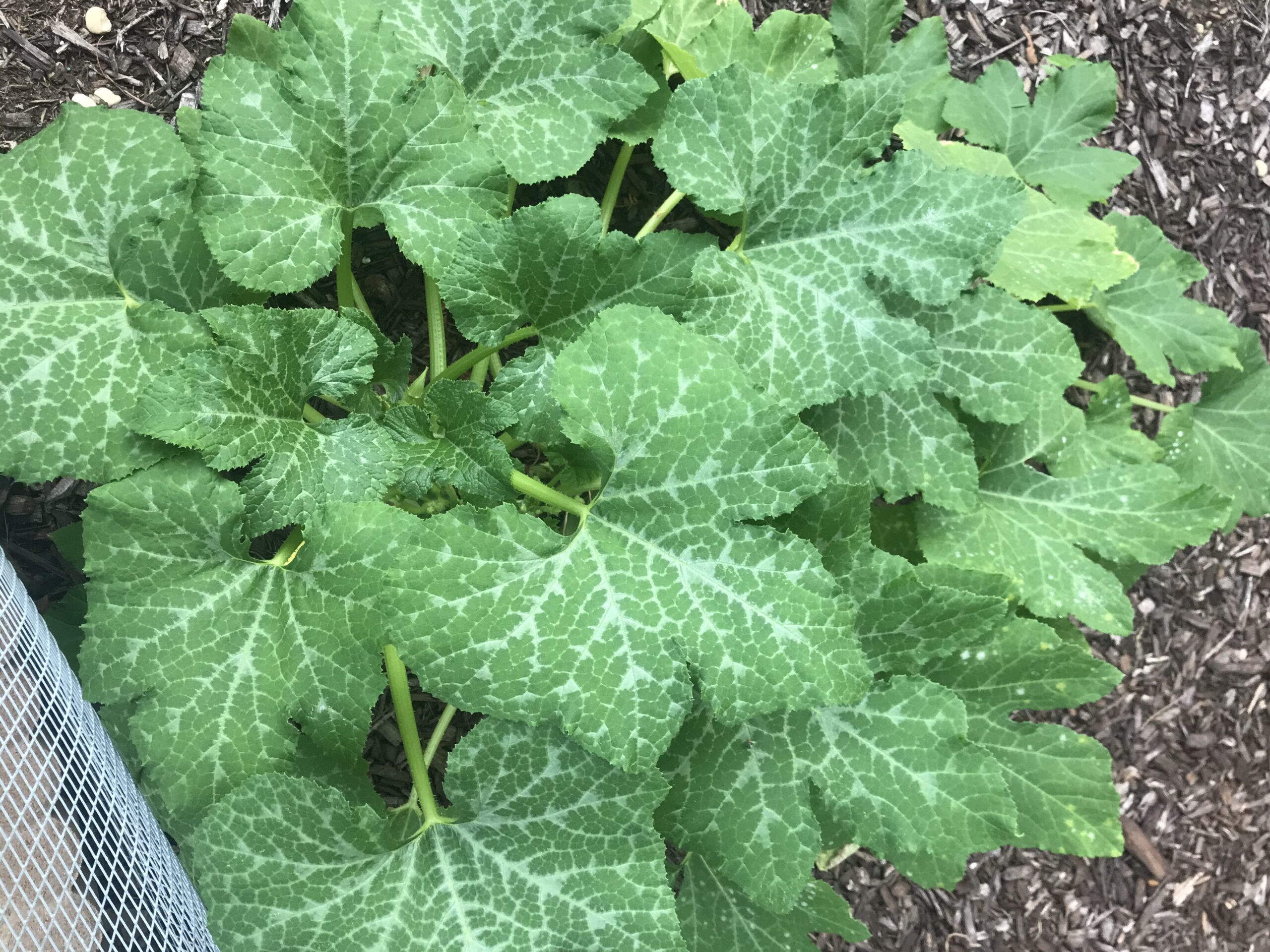
Avoid Mushy Zucchini: The Blanching Secret to Successful Freezing
Summer brings an abundance of fresh produce, and few vegetables capture the essence of the season quite like zucchini. Its versatility makes it a kitchen staple, perfect for everything from light sautés and grilled dishes to comforting casseroles and baked goods. However, the prolific nature of zucchini often leaves us with more than we can consume immediately. This leads many home cooks to wonder: how to freeze zucchini effectively, preserving its flavor and texture for colder months?
While freezing is an excellent method for extending the life of many vegetables, zucchini presents a unique challenge. Its high water content makes it prone to becoming a soggy, unappetizing mess once thawed. The secret to avoiding this culinary disappointment lies in a simple, often overlooked step: blanching. This crucial technique, typically reserved for vegetables like green beans and broccoli, is the key to enjoying firm, flavorful zucchini long after summer has passed. Forget about mushy, watery results; with blanching, your frozen zucchini will be perfectly suited for a variety of delicious winter dishes.
Why Zucchini Freezing Often Fails: The Mushy Problem
Many home cooks have experienced the disheartening outcome of attempting to freeze raw zucchini—a limp, watery, and distinctly unappealing texture upon thawing. This common issue stems from zucchini's inherent properties, primarily its high water content and delicate cell structure. When raw zucchini is frozen, the water inside its cells expands, forming ice crystals that rupture the cell walls. Upon thawing, these damaged cell walls can no longer hold their structure, leading to that undesirable mushy texture. Additionally, enzymes naturally present in the vegetable can continue to degrade its flavor, color, and texture even in a frozen state.
This is where the science of food preservation comes into play. According to Donald Schaffner, Ph.D., a food science professional at Rutgers University, blanching is vital for freezing zucchini because it significantly improves the overall texture. Blanching involves a quick dip in boiling water followed by an immediate plunge into an ice bath. This process serves multiple critical functions: it inactivates the enzymes responsible for quality degradation and helps to set the vegetable's structure, preventing excessive cell wall damage during freezing. While freezing itself can inhibit some bacterial growth, Schaffner notes that "cooking zucchini can eliminate more than 99.999 percent of bacteria," highlighting an additional food safety benefit of the blanching step.
So, for anyone serious about mastering how to freeze zucchini without compromising its integrity, understanding the "why" behind blanching is just as important as knowing the "how."
The Blanching Advantage: A Step-by-Step Guide to Perfect Frozen Zucchini
Blanching is the cornerstone of successful zucchini freezing, transforming a potentially watery vegetable into one that retains its crisp-tender quality even after months in the freezer. This process halts enzyme action, preserving flavor, color, and most importantly, texture. It also offers a significant reduction in surface bacteria, contributing to safer food storage.
Mastering the Art of Freezing Zucchini: Your Detailed Plan
Follow these steps to ensure your frozen zucchini is ready for any recipe, from hearty stews to delightful zucchini bread:
- Select and Clean Your Zucchini: Start with fresh, firm zucchini. Avoid any with soft spots or blemishes. Run whole, uncut zucchini under cold water, gently scrubbing away any dirt or sand. Don't forget to remove any stickers!
- Prepare Your Zucchini:
- For Chopped or Sliced Zucchini: Trim the ends. Using a sharp knife, cut the zucchini into bite-sized pieces (about ½- to 1-inch thick) or slice into rounds or half-moons. These are ideal for soups, stir-fries, and casseroles.
- For Shredded Zucchini: Use the largest holes of a box grater to shred the squash. Shredded zucchini is perfect for baked goods like muffins and breads, as well as fritters. Note: Shredded zucchini does NOT require blanching. Instead, simply pat the shreds very dry with paper towels to remove excess moisture before freezing. This is a key distinction!
- The Crucial Blanching Process (for chopped/sliced zucchini only):
- Boil and Blanch: Bring a large pot of heavily salted water to a rolling boil. Adding salt helps season the zucchini slightly and can improve its texture. Once boiling, add the chopped or sliced zucchini. Blanch for 1 to 2 minutes, just until the pieces are crisp-tender and their color brightens. Be careful not to over-blanch, as this will result in soft zucchini.
- Shock and Drain: Immediately after blanching, use a spider strainer or colander to quickly transfer the hot zucchini into a large bowl filled with ice water. This "shocking" step is vital; it rapidly stops the cooking process, preserving the texture and vibrant color. Let the zucchini sit in the ice bath for the same amount of time it was blanched (1-2 minutes) or until it is completely cool to the touch.
- Thoroughly Dry: Drain the cooled zucchini thoroughly. Then, spread the pieces out on clean kitchen towels or several layers of paper towels and pat them until they are as dry as possible. Excess moisture leads to ice crystals and freezer burn, so this step is critical for quality.
- Flash Freezing for Best Results: With clean hands, arrange the thoroughly dried zucchini (chopped/sliced or shredded) in a single layer on a parchment-lined baking sheet. Ensure the pieces aren't touching to prevent them from freezing into a solid block. Place the baking sheet in the freezer until the zucchini is completely frozen solid, usually at least 2 hours. This "flash freezing" step ensures individual pieces, making it easy to grab just the amount you need later.
- Package and Store: Once fully frozen, transfer the zucchini to freezer-safe quart-sized bags or rigid freezer containers. For bags, press out as much air as possible before sealing – a vacuum sealer works best, but you can also use a straw to suck out the air or the water displacement method. The less air, the better to prevent freezer burn. We recommend packing about 2 pounds of zucchini per quart-sized freezer bag for convenient portioning. Label each bag with the date and contents. Properly stored, blanched zucchini can maintain its quality for 6 to 9 months.
Utilizing Your Frozen Zucchini: Beyond the Thaw
Now that you've mastered how to freeze zucchini successfully, the real fun begins: incorporating it into your cooking throughout the year! It's important to remember that blanched and frozen zucchini will have a softer texture than fresh. Therefore, it's best suited for dishes where its texture integrates well, rather than recipes requiring a crisp bite.
- Soups and Stews: Frozen zucchini is a perfect addition to winter warmers. Add it directly from the freezer to simmering soups, stews, or chili during the last 10-15 minutes of cooking. It will thaw and cook through beautifully without becoming mushy.
- Sauces: Incorporate frozen zucchini into pasta sauces, marinara, or even creamy pureed vegetable sauces. It blends seamlessly, adding nutrients and a subtle flavor. Consider making a large batch of Stock Up on Summer Zucchini: Freeze It for Soups, Sauces & Bakes, using your preserved zucchini.
- Casseroles and Bakes: Layer frozen zucchini into your favorite casseroles, gratins, or baked pasta dishes. It will thaw and cook alongside the other ingredients, adding moisture and flavor.
- Baked Goods: Shredded frozen zucchini is a star in baked goods like zucchini bread, muffins, pancakes, or even savory quick breads. For these applications, it's best to thaw the shredded zucchini first and then gently squeeze out any excess moisture before mixing it into your batter. This prevents your baked goods from becoming too wet or dense.
- Smoothies: For a hidden boost of nutrition, add a handful of frozen zucchini chunks to your fruit smoothies. You won't taste it, but you'll benefit from the added fiber and vitamins.
Avoid using frozen zucchini for dishes where its crisp texture is paramount, such as raw salads, simple sautés (unless specifically for a soft texture), or pickles. For these, fresh zucchini is always the superior choice. The beauty of knowing how to freeze zucchini with the blanching secret is that you can have both: the best of fresh for immediate enjoyment and the convenience of frozen for year-round culinary creations.
Conclusion
The quest to master how to freeze zucchini without ending up with a watery, unappetizing mess can be easily achieved with one simple, yet crucial, technique: blanching. By taking a few extra minutes to properly prepare your summer bounty, you're not just freezing zucchini; you're preserving its vibrant flavor and desirable texture, ensuring it remains a versatile ingredient ready for your culinary adventures months down the line. This method, backed by food science, inactivates enzymes that cause degradation and helps maintain the vegetable's structural integrity, transforming it from a tricky item to a freezer-friendly staple.
So, the next time your garden or local market overflows with glorious zucchini, don't let it go to waste. Embrace the blanching secret, follow our detailed steps for cleaning, prepping, flash freezing, and proper storage, and enjoy the taste of summer throughout the year. You'll thank yourself when you're whipping up a hearty winter soup or a delicious batch of zucchini bread, all thanks to your foresight and this simple freezing technique. For more comprehensive tips, check out How To Freeze Zucchini So It Tastes Great All Year Long.
